
There are a lot of different elements to think about when it comes to protecting your home and ensuring it remains a nice place to live year-round. Especially if you have a family, the place is expected to experience some wear and tear during your time there, and there are several main factors that go into this.
If you’ve just moved in or are in the middle of renovating the property, it’s important to think about the longevity aspects before the aesthetics. The former lays the necessary foundation, on top of which you can then refine the place to be exactly how you want it.
While it’s most certainly overwhelming to think about everything all at once, you can tackle much more than you think if you take things bit by bit, and this article is here to help you with that.
To get you started, here are eight home upgrades to secure and protect your property for many years to come.
Photo by Binyamin Mellish
1. Update Your Loft Insulation
If you live in an older house and you’ve never checked the quality of your loft insulation, chances are it needs to be upgraded. This is a major factor for the energy efficiency of your home, as poor insulation can mean significant increases in your energy bill.
Fibreglass and rockwool insulation are generally considered the best types to use, but these materials can degrade over time – especially if they’ve been subjected to damp or mould.
The best way to learn what type of insulation you have and whether or not you should replace it is to have a professional inspection. A home heating specialist will be able to inform you of what’s most appropriate, and you could also consider having cavity wall insulation installed for added benefit.
2. Roof Repairs and Improvements
Everyone knows how important the roof is, but given that it’s mostly out of sight, it’s easy to forget about it. While a good quality roof will be made to be strong and durable, the components don’t last forever. Ideally, you should have a roofing contractor inspect your roof for signs of damage once per year, and then have them perform any necessary repairs.
Another thing you should think about is protective coatings. These can drastically improve the lifespan of your roof and prevent any leaks or damage from the weather.
3. Reinforce the Foundation
At the other end of the spectrum from your roof, you have the foundation, which is equally, if not more important.
In this area, maintenance usually revolves around supporting proper drainage so that you don’t have water pooling around the perimeter of your home, as when the foundation degrades, this causes widespread issues across the property as a whole.
When it comes to upgrades, it’s mostly about adding or retaining strength. Make sure any cracks in the foundation are sealed as soon as you spot them, and call in a professional to assess and secure any weak points.
4. Upgrade Your Lighting
For the most part, it’s much better to use LED lighting as opposed to traditional incandescent or halogen bulbs. These are far more energy efficient.
As much as you can, try to replace your existing bulbs with LEDs. Alongside the sustainability benefits, you’ll also find that they’re much more versatile; they come in many different shapes and sizes as well as colours (kids especially will love the ability to change the mood of the room they’re in).
5. Exterior Wall Protection
There are multiple ways to protect the exterior walls, from new paint to protective coatings.
Your walls also accumulate dirt and moss throughout the year, so it can be worthwhile to get yourself a power washer. These will make quick work of any grime.
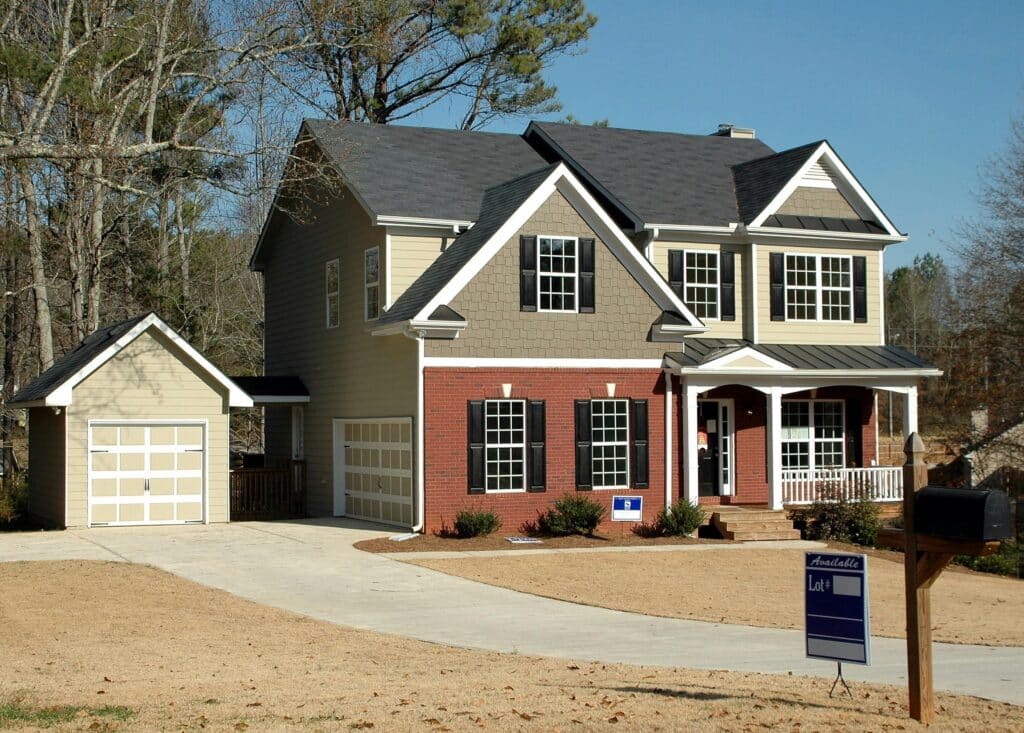
Photo by Pixabay from Pexels
5. Utilise Smart Home Technology
You don’t have to go the route of having a fully automated house, but there are plenty of smart upgrades you could consider to make your life easier.
Smart security systems make home safety much more straightforward, as they have the capability of connecting to your phone so that you’re notified of any security risk as soon as possible. You could also use smart sensors around the home to easily measure temperature and detect changes in water pressure, which might signal a leak.
6. Upgrade Your Heating Systems
Everyone’s feeling the hit of the cost of living crisis at the moment, and one of the biggest offenders there is how much it costs to heat your home.
While there’s not a lot you can do about energy costs as a whole, if you have an older boiler, you should definitely think about upgrading. Today’s boilers are much more energy efficient, and you can also get add-ons that allow for the use of smart thermostats.
7. Improve Your Plumbing
Having working plumbing is one thing, but having efficient plumbing is another entirely.
Given that most pipes in your home will be hidden away, it’s common in older houses to have a mix of different types of fittings that don’t mesh together well, and if anything’s degraded, you wouldn’t even know about it.
As such, it’s a good idea to have a plumber come and give your system a general assessment. They may recommend replacing all or part of the existing setup with materials like PEX or copper for a more robust and cohesive piping network.
8. Install an HVAC system
If you live in a particularly hot or cold environment, it may be worth your time to have an HVAC system installed in your home.
Modern units are designed to be highly economical to run, and they offer you clean, temperature-controlled air all year round. They’ll need to be professionally installed, however, and will also require ongoing professional maintenance throughout their lifespan.
Wrapping Up
Hopefully, you now feel you have a better idea of the sorts of upgrades you should prioritise to ensure your home remains safe and efficient.
While there are others to consider beyond the eight above, covering each of these will put you in a very good position. Good luck!






Leave a Reply