
There’s nothing worse than curling up at home and still feeling like you’re sitting in a fridge. You’ve got the heating on, you’ve layered up, maybe even made a hot drink, and yet the chill just doesn’t go away. There’s nothing worse than the pain of being cold when you’re trying to just warm up after a long day. You’ve already spent all of your time outdoors, travelling and commuting home from work, and you’re tired, and the last thing you want is to sit in the cold any longer.
If your house is feeling stubbornly cold, there’s usually a reason behind it. We’re going to look closely at some of the most common and often surprising causes so you can bring warmth back where it belongs.

Photo by www.kaboompics.com
Your boiler isn’t pulling its weight.
Sometimes the issue starts at the heart of your heating system. If your boiler is old, struggling, or breaking down often, it may not be producing enough heat to keep your home comfortable. In some cases, it’s a big sign that you need a new boiler. While it may sound like a big step, an efficient system can make a huge difference. And while you’re struggling along with a boiler that keeps clapping out all the time, you’re never going to get warm again. Not only that, but there’s nothing that’s going to call you down more than your energy bill every time it hits you and it sends a chill through your spine. If you don’t get your boiler to efficiency, you’re going to be having that every month.
Your windows are currently letting the heat escape.
Windows can be quite sneaky when it comes to being a heat thief. Even the small gaps or older single pane glass can let the warm air slip out and cold air creep in. If you notice drafts near your windows or condensation forming often, it could be a sign that they’re not insulating your home properly. Simple fixes such as ceiling caps or adding thicker curtains can help to keep the warmth inside. The thicker the curtains, the more cold air you will keep out of the house.
Your insulation is lacking.
Think of insulation as your home’s winter coat. Without it or if it’s worn out, heat is going to escape quickly and there’s not much you can do about it. This leaves your house feeling cold no matter how high you turn the heating. Insulation can be found in the roof spaces, walls, and even floors, and they’re all areas where insulation matters most. If your home never seems to hold warmth, this could be a key reason.
The thermostat is not accurate.
This is a good time to upgrade to a smart thermostat system, but sometimes the problem isn’t the heating, but it’s the control system itself. If your thermostat is faulty, you’ll play steel poorly. Location like near a window or a draft? It might misread the temperature. That can cause your heating to turn off too early or not come on at all when it’s needed. And that leaves your house much colder than it should be. When you upgrade your thermostat system to a smart one, it does all the thinking for you, so you don’t have to worry about cold spots in your house making it look weird.
Cold air is sneaking through the gaps.
We already talked about this with windows, but there are also small gaps around doors, floors, and skirting boards, and they may not seem like a big deal, but they can let in a surprising amount of cold air. If you’re feeling a breeze when you walk past certain spots, you’ve likely found the culprit. Seeding up those gaps is often quick and affordable, but it can make a noticeable difference in comfort.
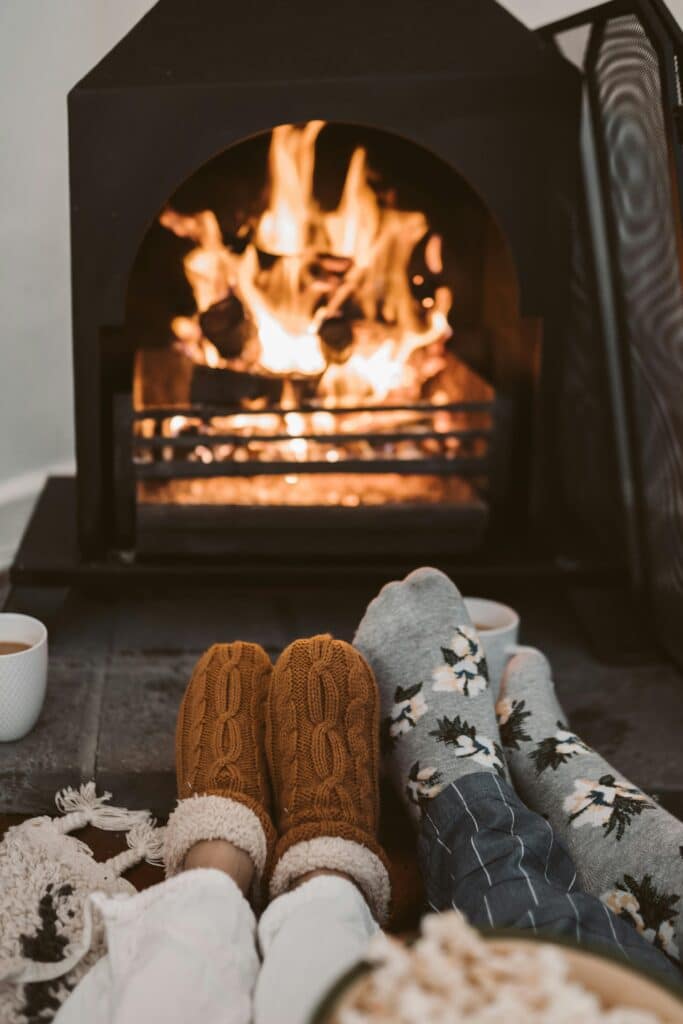
Photo by Taryn Elliott
Your radiators are not working properly.
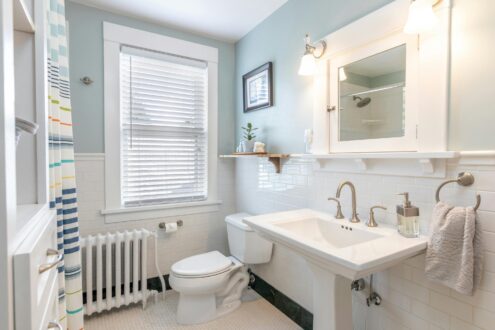
The radiator should heat evenly from top to bottom. If yours are cold in places, slow to warm up, or not heating at all, something really isn’t right. Air trapped inside or sludge build up can reduce their efficiency. A quick bleed or a system clean often brings them back to life and improves the overall warmth. You want your radiators to do what they’re supposed to do, which is emanate heat. If they’re blocked or sludged up on the inside, that’s not going to happen. Bleeding them every season is a good and smart plan, but if you don’t have the time, every season, once in the autumn and once in the spring is a good start.
Your curtains are just too light.
Must do way more than just block light. They also keep the heat in. Thinner or lightweight curtains won’t do too much to stop the heat from escaping through the windows. Switching to thicker lined curtains adds a layer of insulation and makes the rooms feel noticeably warmer. If you want to do 1 better, you can also add a set of blackout blinds to your window. This way, when you pull the blinds down and shut the curtains, you’ve got double the amount of insulation.
You’re losing heat through the floor.
Cold floors can make an entire room feel chilly, even if the air temperature is OK. This is especially common in homes with timber or tiled flooring. Without proper insulation underneath, heat can escape downward. Rugs and carpets are a simple way to add warmth and comfort under foot.
The layout of your house is the problem.
Believe it or not, your home’s layout could be working against you when it comes to the heat of your home. Open plan places look really good, but they can be much harder to heat up. Warm air spreads out and cools faster, making it difficult to maintain a cosy temperature. If certain areas feel colder than others, it might be due to how heat is moving or not moving through your space. Closing doors or zoning your heating can help you to keep warmth where you need it the most.
You’re letting heat escape without realizing it.
Sometimes everyday habits can let the warmth slip away. Leaving the doors open, running exhaust fans for too long, or not closing windows properly can all affect how warm your house feels. With a few small changes, like shutting doors behind you or checking your windows everyday, you’ll be able to keep the heat in and the cold out.





Leave a Reply