Your home is your sanctuary. It’s the place where you relax, eat snacks in your pyjamas, binge watch TV shows. and maybe even practice your dance moves in the living room. But homes, while cosy, can also be a little sneaky when it comes to safety. Everyday spaces like stairs, kitchens, and bathrooms can hide hazards that might cause injuries. One of the most common accidents at home is slips and falls. But don’t worry with some. Tips that we’ve got for you below. You can turn your home into the safe haven that you need without giving up any comfort or style.
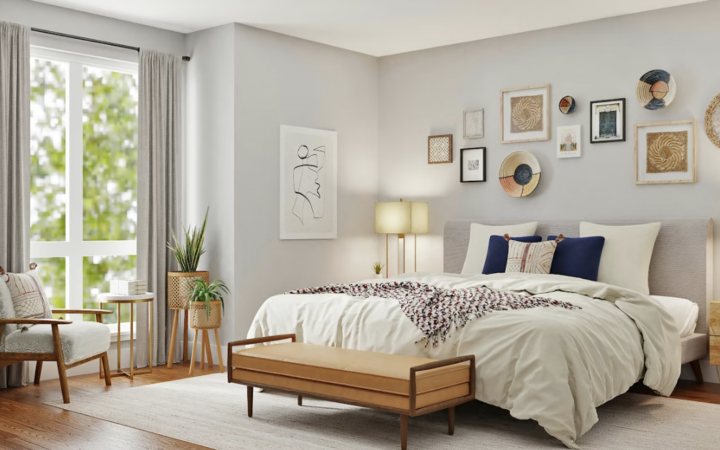
Photo by RDNE Stock project
Clear the clutter.
Clutter can seem harmless, but piles of laundry, shoes, books or toys can quickly turn your home into an obstacle course. Walk through the rooms and ask yourself whether it needs to be here. If the answer is no, find it a home or toss it and start getting organised to give items a proper place. A tidy house is not just visually appealing, it’s safer. And the bonus is that you’ll find that missing sock you’ve been searching for since 2019.
Add some more lighting.
Poor lighting is a hidden hazard in any home. Hallways, staircase, stairs, bathrooms and entryway should be well lit to prevent accidents. Night Lights are perfect for late night trips to the bathroom or kitchen, and motion sensor lights are excellent for hands free illumination. Think of lighting as your home’s invisible safety net. It helps you to see where you’re going, prevents missteps, and can even make your rooms feel more inviting.
Secure the rugs.
Rugs are cosy and stylish, but they can be slippery or trip prone if not properly secured. Use lawn flip mats or rug grippers to keep them in place. Check for curled corners or worn edges that could catch a toe. And in high traffic areas, consider eliminating small throw rugs altogether. Your floors will stay safe, and your feet can keep dancing without worry. Rugs can be a pain to secure and flatten, but it’s super worth it to take the time to do it.
Make your stairs safer.
Stairs are a classic trouble spot. Make sure all staircases have sturdy hand rails that extend the entire length. Adding non-slip strips or mats on each step is a smart move, especially if anyone in your household wears socks or slippers. Keep stairs free of clutter. Even a single straight toy or shoe can cause a tumble. Bright stair lighting and contrasting step colors can also help to prevent accidents, especially for kids or older adults.
Bathroom safety.
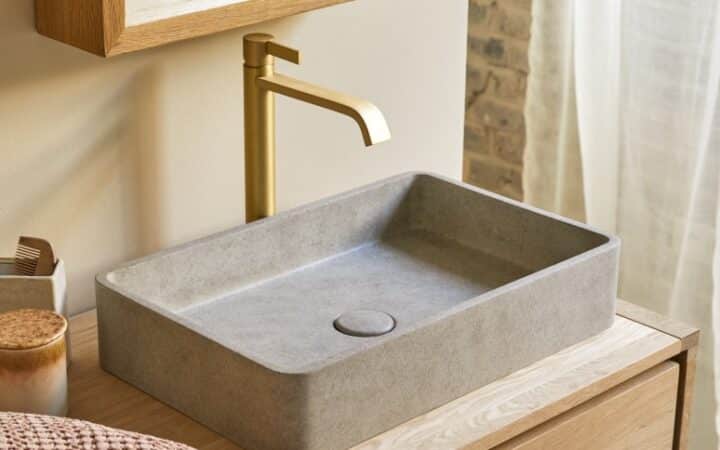
Bathrooms are packed with slippery surfaces, loose mats, wet tiles, slippery tubs, which can all lead to accidents. Install grab bars in the shower or near the toilet for extra support. Use non-slip mats both inside and outside the tub, and wipe up any water spills immediately. Simple precautions can turn your bathroom into a safe and relaxing spa rather than a danger zone.
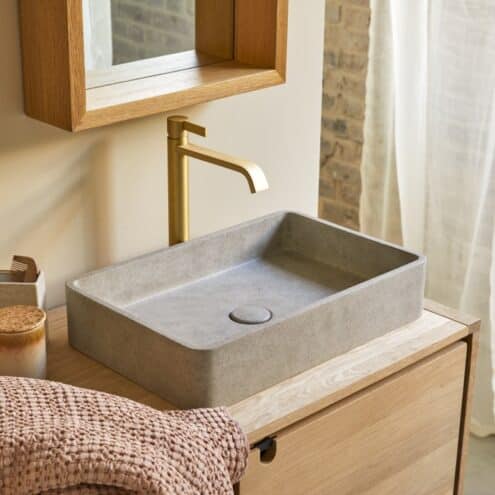
Photo by George Becker
Kitchen precautions.
The kitchen can be a hot spot for accidents. Anything can spill in a kitchen, and if you don’t wipe it up immediately, you’re going to end up slipping over. Sure, step stools are sturdy, and you can keep drawers and cabinet doors closed when not in use. Watch out for sharp corners, too. No one wants to bang their heads. A tidy, organised kitchen is safer and makes cooking more enjoyable. You also won’t have to worry about impromptu yoga moves to dodge a spill.
Pet Safety.
Pets are adorable, but they do create a lot more hazards than you expect. It’s not just the toys left on the floor either, but water bowls in the wrong spot or pets darting across your pathway can all contribute to accidents. Keep pet areas organised and train your furry friends to avoid high traffic zones. You should also consider using rugs with a good grip in areas where pets play to reduce sliding risks. Your pets will stay happy, and you’ll keep your feet intact.
Furniture and layout.
How you arrange furniture can affect safety more than you realise. Avoid placing items in narrow walkways or spots where they block your line of sight. Sharp table corners or protruding furniture can cause painful bumps, and corner guards or padding can prevent injuries, while a thoughtful arrangement ensures everyone can move freely and safely in the house.
Teach them good habits.
Even the safest of houses can be risky if the members of the household are not mindful enough. Everyone should be encouraged to pick up after themselves, walk carefully on the stairs and keep potentially hazardous areas clear. Children can learn early how to navigate furniture safely and show older adults how to use grab bars on non-slip surfaces. Safety is as much about behaviour as it is equipment. And you can equip yourself as much as you want, but if you’re not safe in your movements, you’re going to struggle.
Be prepared for emergencies.
Even with the best intentions, accidents can still happen. Keep a well stocked first aid kit in an accessible location, know where your phone and emergency numbers are, and have a plan for quick help if needed. Preparation offers you the peace you need and makes small accidents much easier to handle. It’s a superhero toolkit ready for unexpected moments.
Creating a safe home doesn’t mean turning your space into a sterile clinical environment. It’s about those small practical changes that make the difference to your life. Clearing clutter, securing rugs, adding lighting and enjoying organising high traffic areas are the way to begin. With these tips, you can enjoy a cosy and stylish accident free home. A safe house is a happy one.
Safety doesn’t have to be boring, it’s just another way to show love for yourself and everyone that you share your space with. The more that you work on safety now, the better off your home and your family will be.





Leave a Reply