
Buying an apartment building can sound like a big grown up financial move, and it really is, but that doesn’t mean it’s only for ultra wealthy investors in fancy suits. For many people, it’s a practical way to build long term income and grow wealth through real estate.
There will be a lot of research ahead for you if you decide to buy an apartment building. You need to understand interest and mortgages, insurance and more early in the process. You might speak to an HMO mortgage broker who explains how financing works for multi unit properties and what lenders usually look for, which will help you to decide if this is a path that suits your situation. So what exactly does buying an apartment building involve?
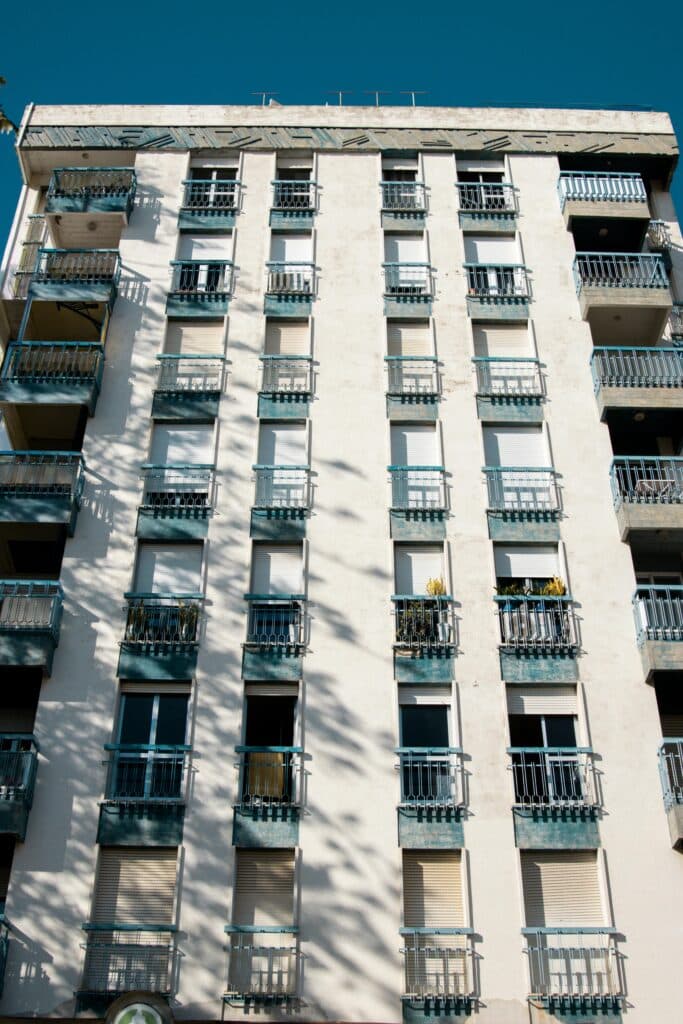
Photo by Efrem Efre
Well, for starters, instead of owning a single home or flat, you’re purchasing a property with multiple rental units under one roof. Tenants pay rent, and that income is used to cover expenses like the mortgage, maintenance, and insurance. And ideally, there’s money leftover as a profit. One of the biggest advantages that is most obvious is scale with multiple units who are not only relying on just one tenant to pay the bills. If one unit is empty, others may still be generating income. This can make apartment buildings more financially stable than single rental properties, especially in areas with strong rental demand.
Cash flow is another major attraction. When it’s managed well, apartment buildings can provide consistent monthly income. In time, rents can increase while your mortgage payments stay the same, which improves your profitability. There is also the long term benefit of property value growth, which can boost your overall net worth. But that said, apartment buildings aren’t a guaranteed win.
The upfront cost is usually higher than buying a single property, which means a larger deposit is necessary and more complex financing needs to be covered. Lenders often expect buyers to have experience, solid income and a clear plan for managing the property. But that’s the whole point of using a HMO mortgage broker. You also have to think of management here because that’s a huge consideration when you are the one who owns the apartment building. More units mean more responsibility in repairs, tenant issues and general upkeep. Some owners enjoy being hands on, but others prefer to hire a property manager. Hiring that help reduces stress but also cuts into profits, so it’s important to factor that into your numbers.
Location also plays a big role in your success as an apartment building owner. If you have an apartment building in a high demand area with good transport, jobs, and amenities, it’s far more likely to stay fully rented. A cheaper building in a poor location might look like a bargain, but it can quickly become a headache if the unit sits empty. Risk is also part of the equation, as with any property purchase. Market changes, interest rate increases or unexpected repairs can impact your cash flow. Having any savings set aside for emergencies is essential, as apartment buildings reward planning, patients and realistic expectations, not rushed decisions or emergencies.










Leave a Reply