
When a home no longer fits your needs as it stands, then you might start thinking about your options. One of those options is moving, but that can come with a lot of costs, not to mention stress. As such, you need to be sure when it’s really the right option for you, or when it might be a better idea to see how you can make your home fit.
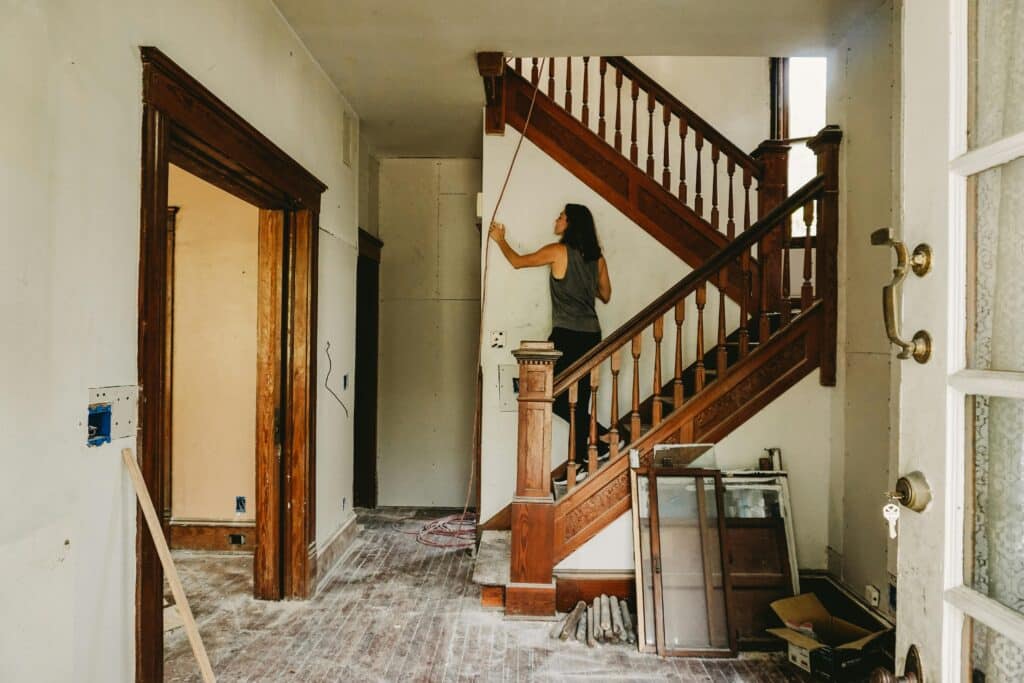
Photo by Monica Silvestre
When You Love Your Location
First and foremost, you should pay attention to the things you can change by moving, and the things you can’t change. You can’t change your location by staying, so if you’re in an area that you truly love, one that’s close to work, schools, transport links, or strong community connections, you need to think about what you would be giving up by moving. Of course, you should carefully research the location of every property that you’re considering. Even a home that better meets your needs can eventually feel like a downgrade if you don’t like where it is.
When You Can Add The Space You Need
One of the most common reasons to move home is that your family is growing. Whether it’s due to a new baby in the home, inviting your parents to live with you, or otherwise, some homes have the potential to grow with you. If you have a loft, a basement, or even a garage, a conversion could do the trick to make it a livable space. Otherwise, a house extension can take advantage of the space that your property’s exterior might offer. Do bear in mind that some space additions may need permission before you can go ahead with them, though.
When A Renovation Will Do The Trick
If your needs are even more specific than additional space, then you might be able to meet them with a renovation instead. Renovations are much more affordable than moving, whether you’re reconfiguring a poor layout, updating your kitchen, improving your bathroom, or opening up the home for more storage. These changes allow you to customise your space to suit your exact preferences, something you may not find even in a new property.
When The Costs Outweigh The Benefits
Moving is more expensive compared to any of the upgrades mentioned above, with estate agent fees, legal expenses, surveys, and the like all adding costs, even if you’re able to fully cover the cost of a new home’s asking price by selling the old one. If your current home can be improved or adapted for less money, then staying put might be the more financially practical path to take. What’s more, any renovations or improvements you make can increase your property’s value, so that the prospect of a move might be more affordable down the line.
If your current home simply isn’t meeting your needs, you have the budget you need, and you spot a better area, then it might be a good idea to move. Until then, consider the tips above first and foremost.









Leave a Reply