
Image Credit: Unsplash
A calm co-parenting routine gives children a clearer sense of what will happen each day and who will be there to support them. It also reduces the number of last-minute decisions that can trigger tension between adults. The routine doesn’t need to be perfect or identical in both homes. It needs to be predictable, practical and flexible enough to cope with school events, illness and occasional changes.
The following steps can help you create an arrangement that feels manageable for everyone, especially your children.
Prioritise Emotional Stability First
Start by looking at the routine from your child’s point of view. Young children may worry about where they’ll sleep, whilst older children may be concerned about missing friends, activities or school equipment. Explain the schedule using simple, neutral language and never ask a child to carry messages between homes.
Healthy co-parenting practices include keeping adult conflict away from children and supporting their relationship with each parent. If communication regularly becomes heated, consider family counselling or another structured form of support. Therapeutic co-parenting approaches may help families develop safer communication habits when trust is low or past disagreements keep affecting everyday decisions.
Set Realistic Day-to-Day Expectations
Build the schedule around real commitments such as school hours, nursery sessions, work shifts and travel time. A handover at 5 pm may look reasonable on paper, but it won’t work if one parent finishes work at that time and needs another 40 minutes to reach the meeting point.
Test a proposed routine for two or three weeks, then discuss any practical problems in writing. For example, you might move a weekday handover by 30 minutes if it repeatedly clashes with dinner or bedtime.
If you can’t agree on parenting arrangements or need to understand your legal options, speaking with a child custody lawyer can clarify the next steps. Seek individual advice before treating an informal agreement as legally settled, since family law differs between locations.
Formalise Clear Boundaries in Writing
Record the main arrangements in one shared document or agreed parenting app. Include ordinary pick-up times, school holidays, birthdays, communication methods and the process for requesting changes. Clear wording helps prevent two people remembering the same conversation differently.
Keep messages brief and focused on the child. A useful message might read, “Sam has a dentist appointment at 3.30 pm on Thursday. Can you confirm that you’ll collect him afterwards?” Avoid revisiting relationship disputes within practical updates.
Set a reasonable response window too. Non-urgent requests might receive a reply within 24 or 48 hours, whilst genuine emergencies need a phone call. Agree on what counts as urgent so that everyday timetable questions don’t create unnecessary alarm.
Keep Daily Transitions Low Stress
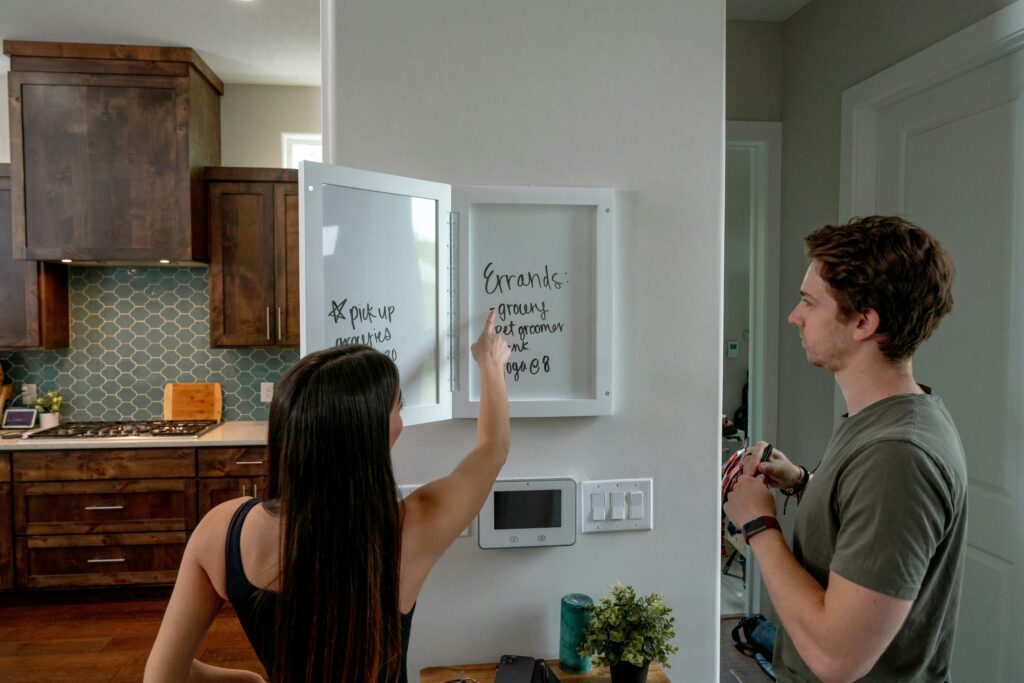
Prepare children for handovers without making them responsible for managing the schedule. A visual calendar can show which home they’ll be in, and a small checklist can prevent forgotten homework, medication or favourite comfort items. Keep goodbyes warm and brief, particularly if your child finds transitions emotional.
Try to use consistent mealtimes and bedtimes across both homes where practical. Families with younger children may also find these ideas for building daily routines that actually work for toddlers helpful.
When delays happen, send a factual update with a realistic arrival time. At the handover itself, save difficult conversations for later. A calm greeting and a quick exchange of necessary information allow your child to move between homes without feeling caught in adult tension.
A peaceful routine often becomes easier once everyone knows exactly where to find the schedule and how changes should be requested. Put the latest version in one shared place, review it after major school or work changes and keep handover conversations centred on what your child needs that day.










Leave a Reply