
From time to time, it is a good idea to check in and make sure you are still happy with your current living situation. If you are not, or you think you might benefit from improving it in some way or another, there are a lot of things that you can try out. One is to potentially consider an upgrade to your home, which as it happens is something you can approach in a lot of different ways. In this post, we will look into some of the best ways to get a great new home.
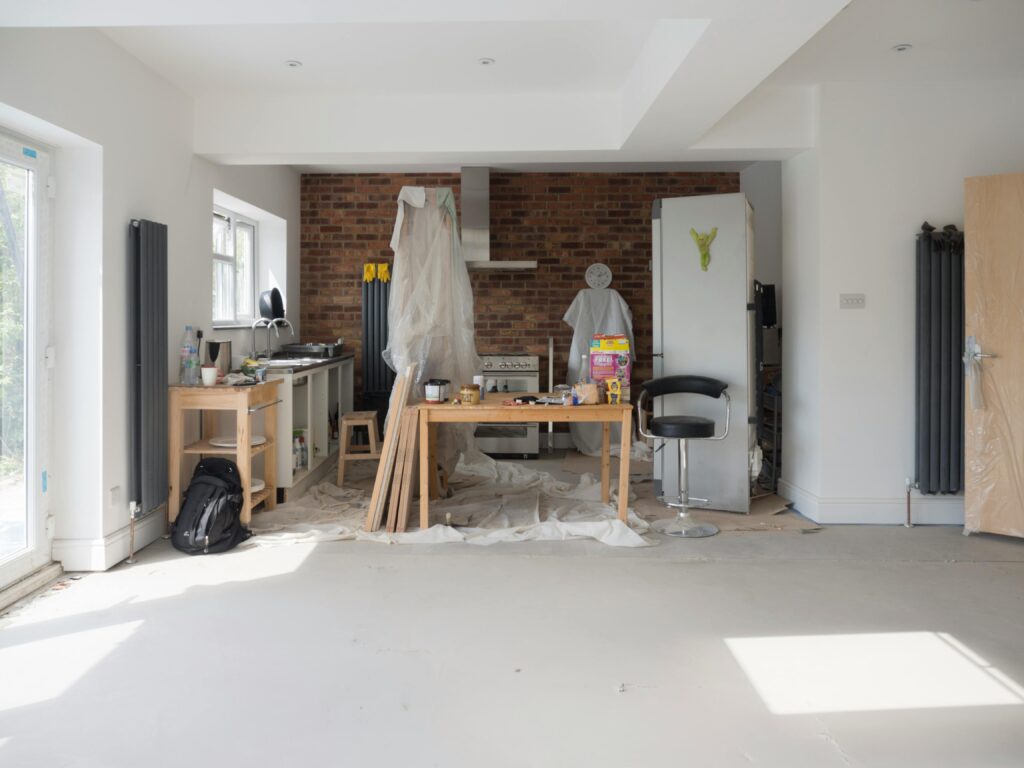
Photo by Brett Jordan from Pexels
Understanding Your Reasons for Moving
Before you begin browsing listings or contacting estate agents, it’s essential to clarify why you want to upgrade. Some homeowners seek additional space, while others desire improved amenities, a shorter commute, or access to better schools and community facilities. Identifying your primary motivations helps you remain focused throughout the process and prevents impulsive decisions driven by emotion rather than practicality. Consider both your current and future needs. A home that suits your lifestyle today should also accommodate your plans for the years ahead. Whether you’re planning to expand your family, work from home more frequently, or invest in a property that will appreciate in value, a clear vision will guide your choices and ensure long-term satisfaction.
Setting a Realistic Budget
Financial preparation is a cornerstone of any successful home upgrade. Establishing a realistic budget allows you to explore options confidently and avoid unnecessary stress. Begin by assessing your current financial situation, including savings, income, and the equity in your existing home. If you plan to sell before buying, research the local property market to estimate your home’s value. Beyond the purchase price, factor in additional costs such as legal fees, surveys, stamp duty, moving expenses, and potential renovations. It’s also wise to set aside a contingency fund to cover unexpected expenses. Consulting with mortgage advisers or financial professionals can help you secure the best financing options and ensure your upgrade remains financially sustainable.
Choosing the Right Location
Location plays a pivotal role in determining the overall value and enjoyment of your new home. If you want to keep the location you have, one option is to do a knockdown rebuild. This is important to consider. While the property itself may be beautiful, its surroundings will significantly influence your daily life. Proximity to workplaces, schools, healthcare facilities, and transport links should all be taken into account. Equally important is the character of the neighbourhood. Spend time exploring prospective areas at different times of the day to get a sense of the community atmosphere. Consider factors such as safety, green spaces, local amenities, and future development plans.
Defining Your Must-Haves and Nice-to-Haves
When upgrading, it’s easy to be overwhelmed by the sheer number of options available. Creating a clear list of must-haves and nice-to-haves helps you stay organised and ensures you prioritise what truly matters. Your must-haves might include a certain number of bedrooms, a home office, off-street parking, or a spacious garden. Nice-to-haves could encompass features like a walk-in wardrobe, underfloor heating, or a south-facing patio. Distinguishing between necessities and luxuries enables you to make informed compromises without sacrificing your core requirements.









Leave a Reply