
A family move can feel like a mountain to climb because not only is there so much to plan and prepare for, but moving with children can be particularly challenging.
Staying organised during a family house move can be done effectively with a detailed timeline, made 6-8 weeks in advance and decluttering room-by-room.
There are plenty of key strategies to know to achieve an organised move. Hopefully, with the tips mentioned below, you can find more enjoyment in the moving process this time around.
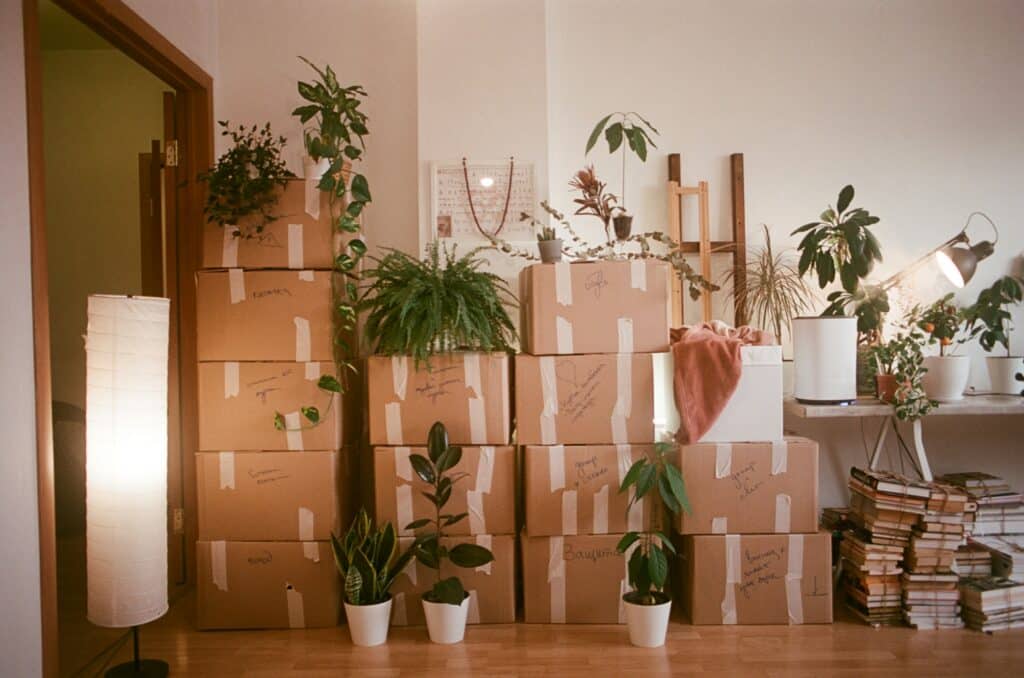
Photo by Dina Badamshina on Unsplash
Key Strategies for an Organised Move
Organising a move as a family requires a lot of planning and preparation. Here are some of the key strategies that will help avoid problems during your family move.
- Create a master plan
The first task on your agenda for moving is to create a master plan. This is a checklist that plans the next six to eight weeks as you approach the moving-out date. From conveyancing and legal duties to get your sale processed and exchanged, to booking moving companies and ordering packing materials.
Breaking down tasks into smaller, daily steps is highly helpful to avoid feeling overwhelmed at any point. The more you can get down into a schedule, the more you can prepare as you near those last few days that are often chaotic as you pack up your home.
- Declutter ruthlessly
As a family household, you will likely have a lot of belongings in your home, and therefore, it’s important to declutter and to do so ruthlessly. It’s good to be mindful of how much clutter is in your home and what you might not see when it comes to obvious clutter.
Every room should be diligently decluttered from top to bottom. Explore every nook and cranny of your home, getting rid of as much as you can so that you’re not transporting any clutter from one home to the next.
If you find something that hasn’t been used in over a year, get rid of it. Chances are, you’re not going to use it again anytime soon.
- Colour-coded labelling
Assign a specific colour or number to each room. You’ll then label every box with its contents and destination room.
It’s that extra, small step that can make a big difference in helping movers place items correctly around the new home.
You’ll also want to be detailed with your packing, too and have as many of the items in the box listed on the side or on top of the box to make unpacking a lot more efficient, too. When you’ve got dozens of ‘kitchen boxes’, it can be hard to know which one to unpack first.
- Create ‘Open First’ Boxes
In the first 24 hours of living in your new home, chances are, you’re not going to be able to unpack everything straight away. That’s why it’s important to pack essential items into boxes that you open first and foremost.
These boxes will include things like your toiletries, any essential tools for putting up closets or furniture, and chargers and bedding.
By having these ‘open first’ boxes, it ensures you have everything you need to function comfortably as a family in those first few days of living in the new property. It saves having to go through all of your boxes looking for belongings that could be anywhere otherwise.
- Utilize Digital Tools
The use of shared notes or apps is helpful to track the progress of everything you’re doing when it comes to packing away your home. Taking photos of packed items for insurance and being able to share checklists with other responsible adults in the home is helpful.
These digital tools are that extra helping hand you might need to get organised and to feel like you’ve got some semblance of tracking progress.
- Label Boxes by Priority
When labelling your boxes, another good practice to implement would be to use a numbering system. For example, #1 may be used for high-priority boxes to open first, and #5 is low priority and boxes that might not need to be opened until certain points in the year, like seasonal furnishings, for example.
By doing all of this labelling, it helps to prioritise unpacking and to make it a smoother process in general.
- Hire Professionals
Where possible, hiring professionals certainly provides a lot more peace of mind when it comes to making the process more manageable. Packing alone can be a struggle, and many moving companies will pack everything up for you, rather than you having to do everything yourself.
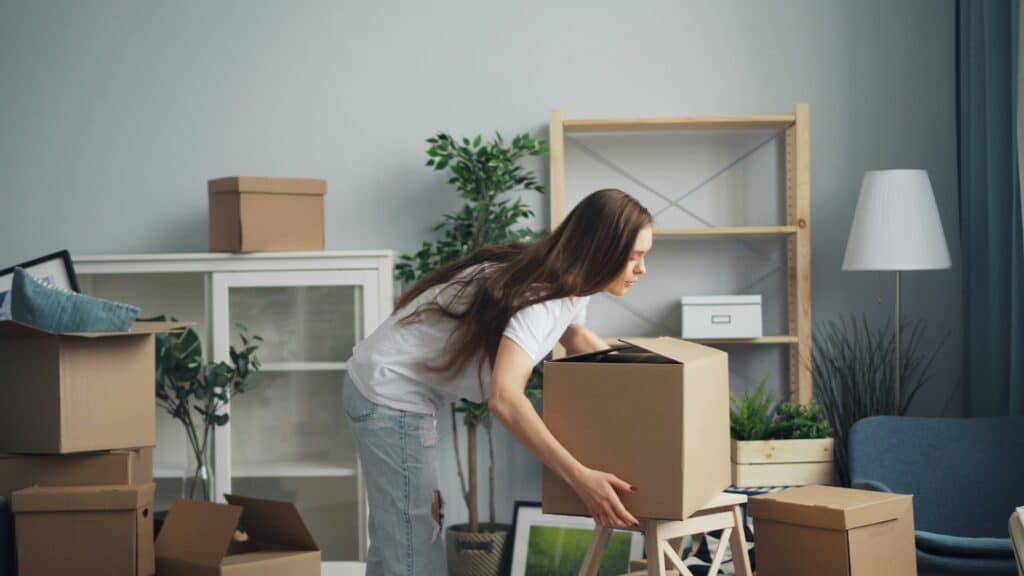
Photo by Vitaly Gariev on Unsplash
Depending on the level of the service will depend on the cost and it’s good to scope out a few companies for quotes to get an accurate and fair price for moving.
Packing Tips for Efficiency
When packing your belongings, you don’t want to use anything cheap or flimsy that’s going to fall apart, especially when it comes to the boxes. Investing in sturdy, quality boxes, as well as packing paper and strong tape, all help to prevent damage. Pack items that are not frequently used first to make unpacking easier at the other end.
When it comes to maintaining daily function, pack a daily living bin for each family member. That ensures they have all of the essentials that they need on the day of the move.
It’s good to take photos of how cables are plugged into your electronics so that it’s easy to reassemble at the other end.
Top Moving Day Tips
For the moving day itself, there are some helpful tips worth knowing. Firstly, be sure to keep valuables safe. Keep important documents, jewellery, and medications with you, rather than putting them on the moving truck. It’ll provide that peace of mind knowing that you have the most valuable items with you at all times.
Cleaning rooms as they’re emptied helps to make the final move-out less overwhelming. It’s also a good idea to arrange for childcare or pet care on moving day in order to improve the safety of your little ones, as well as efficiency, to get into the home with less stress.








Leave a Reply