Photo by Care Assure on Unsplash
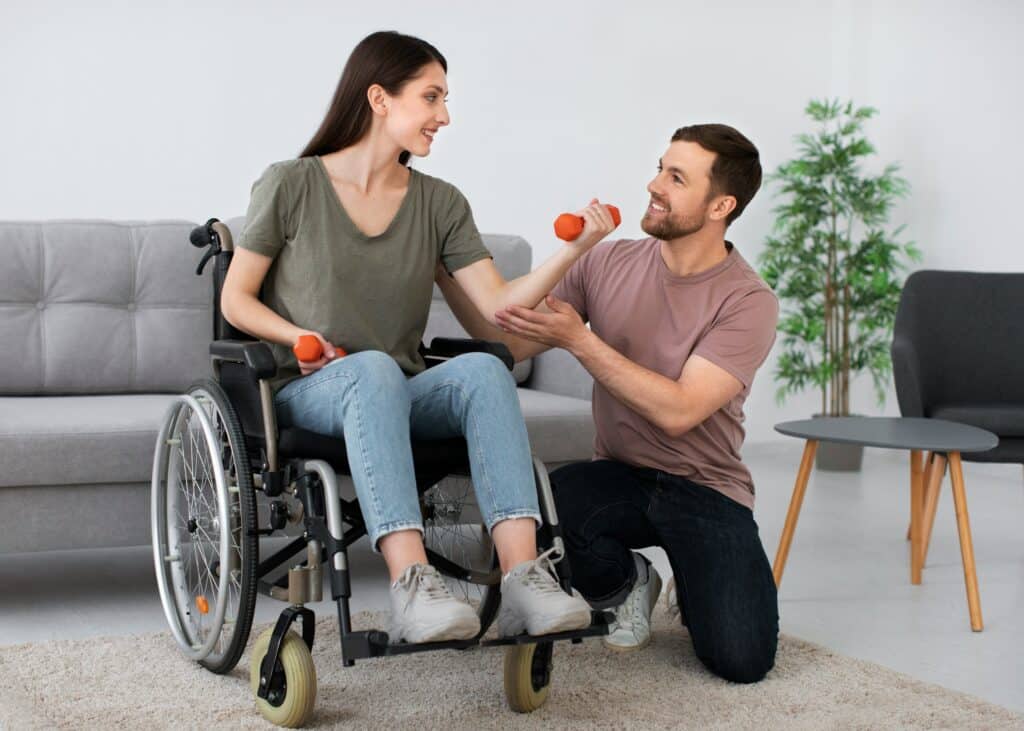
If you’ve experienced a serious injury, then one of your biggest priorities will be to modify your home to deal with it. For example, if you have an amputation, brain injury or spinal cord injury, or you just have a severe mobility impairment, then you’ll need to adapt your living space accordingly.
The purpose of these modifications is to reduce the risks you face, particularly falling over. It also has the intention of ensuring that you can move around more easily in your home and retain as much of your independence as possible. But what should you be doing?
Improve mobility around your front entrance
One of the first tasks is usually to improve the mobility around your front entrance. You might need to install ramps so you can get into your home without having to take steps, or replace conventional door knobs with lever handles. These might sound like small changes, but they can have an enormous impact on your quality of life.
You can also get around by yourself instead of having to rely on other people all the time. In some cases, you might also want to add handrails outside the front door or use a stair lift if you have stairs or a hallway that you need to navigate before you can get into your home.
Change the bathroom
Another part of your home you’ll need to change is the bathroom. This area can be dangerous because it is a wet and slippery environment, making it a potential daily hazard. The best way to deal with this is to install a disabled shower. These usually have grippier floors which reduce slip risks when wet and also chairs so you can sit down in the shower while you’re bathing. Sometimes these installations also enable you to transform the whole bathroom into a wet room, so there are no steps to climb over when getting into the shower or getting out.
Other bathroom modifications include things like hand-held shower heads and raised toilet height. Again, these make it easier to get around and sit down in what can otherwise be a challenging environment.
Improve the kitchen
You might also want to look for ways to improve the kitchen to enable you to continue cooking independently. Many people with long-term injuries do things like lower the counters, improve the height of the sink, and put cabinets in wheelchair reach.
There are also some fancier modifications that you can make. For example, you might want to include pull-out shelves. These make it easier to gain access to pantries instead of having to climb up high or bend down low. Faucets with long handles and levers are another modification you might want to make. While these aren’t as attractive as some designer options, they are improving and can blend into a regular kitchen quite nicely.
So there you have it, some of the useful changes you can make to your property if you have a long-term injury. These work alongside improved lighting and reducing the amount of clutter in your home, like rugs that you might trip over.




Leave a Reply