
Image Credit: Unsplash
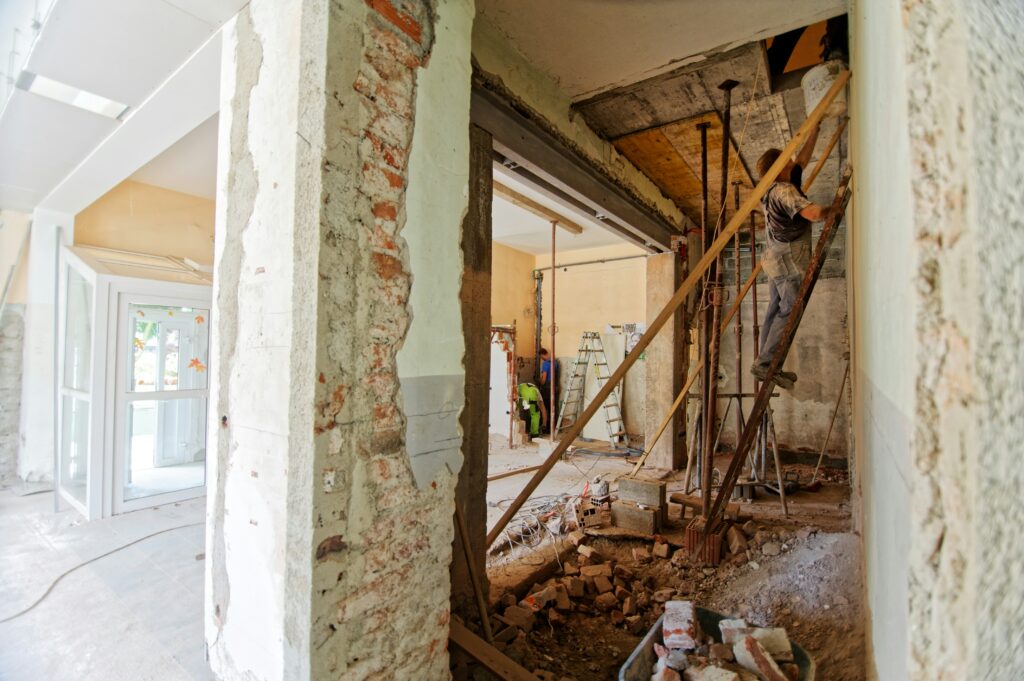
Home renovations can quickly move beyond the limits of safe DIY, especially when hidden hazards or major building systems are involved. Parents also have children, pets and busy routines to protect while work is underway. Before picking up a tool, consider what could happen if the job goes wrong.
Some mistakes cause more than a messy finish or an extra trip to the hardware shop. They can lead to serious injury, unsafe living conditions and repairs that cost far more than the original project.
High-Voltage Electrical Overhauls
Replacing a light fitting may look straightforward online, but major electrical work carries risks that aren’t visible. An incorrectly isolated circuit can cause electrocution, while loose connections hidden behind walls may overheat later. The consequences can affect the entire household long after the renovation appears finished.
Contact a licensed electrician for switchboard upgrades, new circuits, rewiring and work near wet areas. Keep children away from open wall cavities and exposed fittings until the electrician confirms the area is safe. Ask for the required compliance paperwork and retain it with your home records, as future buyers, insurers or tradespeople may need it.
Structural Wall Knockdowns
An internal wall may support roof framing, ceiling loads or an upper storey even when it looks thin and unimportant. Removing it without checking the building plans can cause sagging ceilings, cracked plaster or gradual movement elsewhere in the house. A builder or structural engineer can identify load-bearing elements and specify the correct beam, supports and installation sequence.
Older wall linings, backing boards and textured coatings may also contain hazardous material. If there’s any suspicion, stop work and arrange testing before drilling or demolition begins. NSW property owners who receive a positive result should engage qualified asbestos removal professionals to handle the affected material and its disposal. Plan a child-free work zone too, with solid barriers and a separate route for workers carrying debris outside.
Certified Asbestos Removal in Wet Areas
Bathrooms, laundries and kitchens in older homes may contain asbestos cement sheeting beneath tiles, around splashbacks or behind fixtures. These materials can look similar to ordinary fibre cement, so visual identification isn’t reliable. Cutting, sanding or breaking a suspect panel may release fine fibres that spread through adjoining rooms on clothing, tools and dust.
Pause the renovation and have the material sampled by a competent professional. Don’t scrape it, pull off tiles or place fragments in household rubbish. Ask the removal contractor how the area will be isolated, how waste will leave the property and whether independent air monitoring is appropriate. Families may need to stay elsewhere during parts of the project, particularly when the bathroom sits beside bedrooms or the contractor can’t establish a fully separate access path.
Knowing When to Step Aside for Pros
A sensible DIY decision starts with consequences, not confidence. Professional help is usually warranted when a mistake could injure someone, weaken the building, contaminate living areas or breach local approval and licensing requirements. Other high-risk home projects include major plumbing changes and roof work, where a small error can produce hidden water damage or a serious fall.
Before accepting a quote, check the contractor’s licence and insurance, request a written scope and confirm who will manage permits, clean-up and waste. Tell them where children sleep and how the family uses the house each day. A good work plan should set clear boundaries, including locked work areas, safe access routes and agreed hours for noisy or dusty tasks.
The safest renovation schedule leaves room for inspections and specialist work before new surfaces conceal what lies behind them. If a contractor identifies an unexpected cable, structural support or suspicious wall sheet, stop that part of the project until it has been assessed. A short delay is easier for a family to manage than reopening finished walls or moving out because the home has become unsafe.








Leave a Reply