
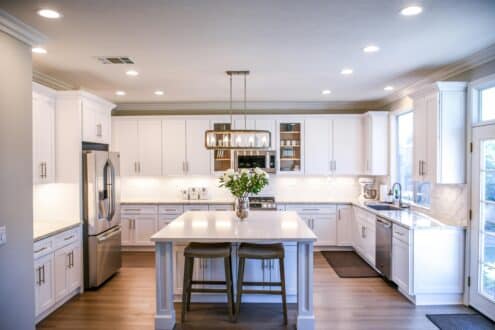
Image by Satheesh Sankaran from Pixabay
Mortgages can be confusing to many first-time property buyers. Understanding the different types of loan available can be important for making the right selection. This post compares 7 different types of mortgage and who they are aimed at.
Fixed rate
A fixed rate mortgage is one of the most common mortgages. These loans allow you to pay the entire loan amount in even installments with a fixed interest fee, so you know exactly what you’re paying each month. Such loans are best taken out when interest rates are relatively low, allowing you to lock in a low interest rate and not have to worry about rising rates.
Standard variable rate (SVR)
An SVR mortgage has an interest rate that can change at any time. These mortgages typically allow you to pay a low fixed interest rate for the first few years, but after this interest rates can change depending on market conditions and what the lender feels like charging. SVR mortgages can work out cheaper in the long run if interest rates fall, but there’s a chance they could also rise. These loans are therefore less predictable and more risky.
Interest only
Interest only mortgages are an attractively cheap solution upfront – you only pay the interest on the loan, resulting in very low monthly payments. However, at the end of the loan term, you then have to pay the entire loan amount as a lump sum. This typically involves selling a home to pay off the mortgage (provided that the property’s value has increased) or using a retirement fund.
Shared ownership
Shared ownership is a popular government-backed scheme for first-time buyers. Often referred to as ‘part rent, part buy’, this scheme allows you to initially buy a share of the property (10% to 75%) allowing you to put down a much lower deposit. You pay off this share of the property along with rent, and over time you own more of the property and rent less, eventually owning the whole property. Mortgage advisors can help to better understand how this loan works.
Buy-to-let
Buying a property to rent out to tenants? You’ll need to take out a buy-to-let mortgage. These mortgages often have higher deposits, but can often be interest-only, reducing the amount you pay each month so that you can charge lower rent and still make a profit. Mortgage brokers can help you compare these mortgages.
Self build
Planning to build your own home? You’ll need a self-build mortgage. These mortgages pay contractors in installments and typically require a large deposit, but may have smaller repayments. You’ll need to work with architects to create a clear design to present to lenders, plus you’ll need to be certain about the costs.
Commercial
If you’re buying a commercial property such as an office or store building, you’ll need a commercial mortgage. These are typically only available to established businesses with detailed business plans or investors that already have a property portfolio. Interest rates, terms and deposit amounts on these loans can vary, so shop around (a commercial mortgage broker can help).









Leave a Reply