Water damage can be a real problem in your home, resulting in damp, mould, and even turning the structure of your home into something that’s much less sturdy – it could even be unsafe. But the problem is that although it’s a big problem that takes a lot of time and money to put right once it’s happened, noticing that it’s happening isn’t always easy, and that’s generally because it’s a slow process, and by the time you notice a stain or a bit of mould or perhaps a damp smell, the damage may well have been done.
That’s why it’s wise to understand what can cause water damage (when it’s not a flood, which is obvious and immediate, of course), so you can deal with it more quickly, ideally before it comes too big.
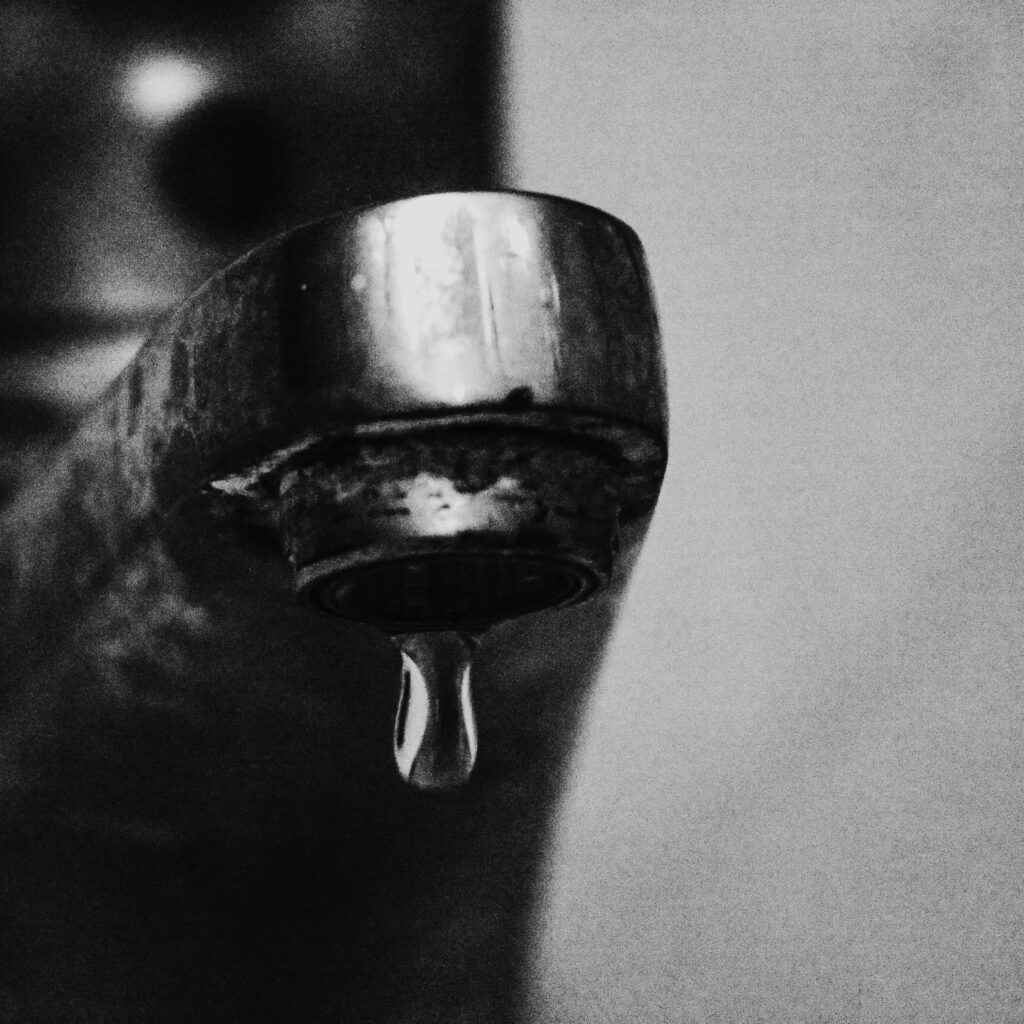
Photo by Barış Yiğit
Leaking Pipes
Pipes, like anything in a house, get older, and that means the joints can get loose and the seals wear down, and although that’s perfectly normal, the issue is that the plumbing does tend to be hidden away (on purpose), so a small leak could have been there for weeks or even longer before you notice it.
Cold weather can also make things worse – frozen pipes expand, and when they thaw, cracks can appear, and even the tiniest split can realise a surprising amount of water over time.
So if you ever notice a drop in water pressure or any unexplained damp patches, calling a qualified plumber early to check things out is always the best course of action.
Faulty Appliances
You’ll have plenty of appliances in your home, and you’ll probably enjoy using every single one of them – after all, your washing machine, dishwasher, fridge, and freezer are all there to make life easier, aren’t they?
But these things, and some others too, are connected to your plumbing (your fridge might have an ice or water dispenser, for example), and the hoses at the back can crack or loosen, especially if they’re old. And because these things are usually tucked away, leaks can go unnoticed until the floor starts to swell up or the cupboards get damp. That’s why it’s worth checking the connections on a regular basis to make sure everything’s okay.
Blocked Drains
When drains get all clogged up, the water doesn’t have anywhere to go, and instead of flowing away properly like it’s meant to, it can back up into sinks, showers, toilets, or even to the outside walls depending on where the pipework is and how it’s set out. And as you can imagine, over time, that repeated overflowing of water can cause some damage to things like floors, tiles, and anything else it touches.
Outdoor drains are just as important to take care of too, especially when you know that leaves, debris, and heavy rain can really cause problems and mean that water ends up pooling around the foundations of your home, which can cause quite a bit of (expensive to fix) damage.
Final Thoughts
Water damage is a frustrating thing to have to deal with because it usually happens without you noticing until it’s unavoidable, but the good news is that if you catch the causes early on, you can save yourself a lot of trouble.






Leave a Reply