
Why Staying Put Can Be the Smarter Move
The “dream” for most families isn’t a new zip code; it’s additional space in a house that already feels like “home.” When your kids love their school, when your daily routine runs smoothly, and when you enjoy spending time at your local parks with people you know well, then moving seems to solve one issue while creating multiple others. For this reason, an increasing number of homeowners are starting to ask a different question — how do we maintain the quality of life I have created while creating more space? Loft conversions allow homeowners to add vertical space to their homes. The best part? Improving your current home could also potentially be less expensive than moving into a larger home, according to RICS.
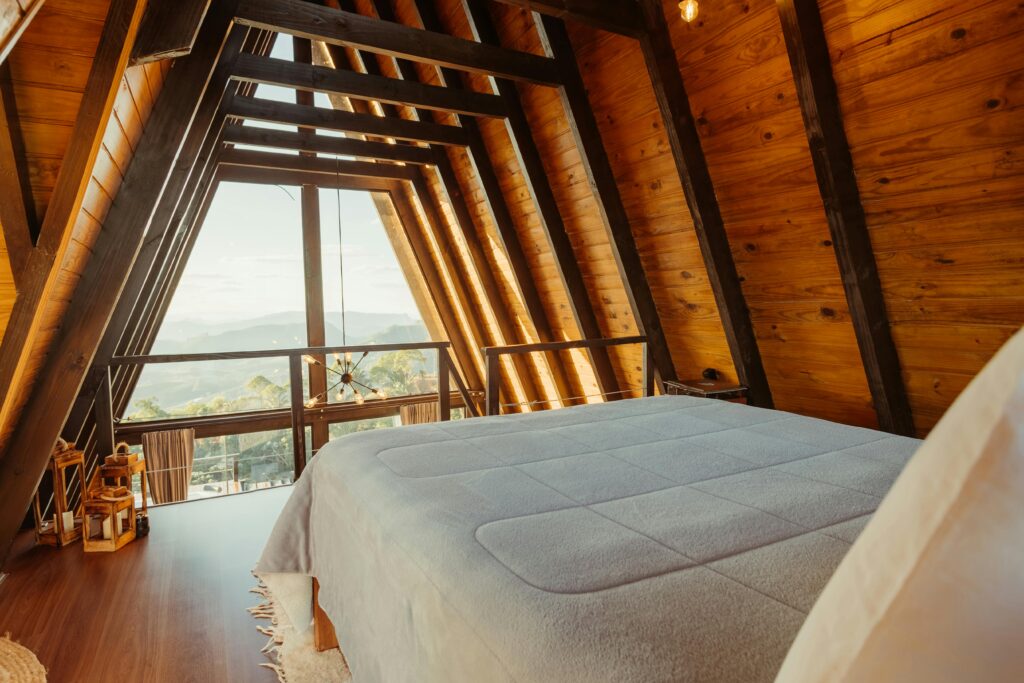
Photo by Jonathan Borba
The Real Cost of Moving Is Bigger Than the Boxes
Moving is expensive; however, the costs beyond the boxes could be more damaging. The search for a new place, the time pressure of selling your old property and buying a new one, legal fees, surveys, and the removals process are just a few of the many costs of moving. In addition to these costs, you have the administrative tasks that follow a move. After a move, families will have to adjust to new routines, new traffic patterns, new after-school logistics, not to mention the emotional weight of it all. RICS notes that loft conversions often cost much less than moving to a home with one more room.
Space Problems Usually Start Small
The pressure on household space typically builds over time. Children will want a quiet space for studying. Guest rooms turn into permanent bedrooms. Working from a remote office or job suddenly has you using the dining table as your “office” space. Storage is now spilling out into almost all corners of the home.
What’s most frustrating about this phase of your family growing is that it’s likely your home still functions perfectly well in virtually every other way. The issue isn’t the neighbourhood. The problem is a shortage of space. Recognizing this can help you to look into ways on how to fit in your current home instead of running away.
First, Look at What Your House Already Offers
Before browsing listings, it is worth assessing the space you own. Underused attics, awkward box rooms, and circulation areas can often be rethought to work harder. A smart redesign can improve daily life without enlarging the footprint at ground level, which matters if you do not want to lose garden space. RICS specifically highlights loft conversions as a way to create an office, spare room, or family zone by building upward.
A Loft Conversion Can Change How a Home Feels
Loft conversions are not simply an expansion of your home. They can fundamentally alter the dynamic of your house. A loft conversion can provide you with a brand new, private and quiet office space, or it can turn into a guest bedroom. Or how about it turns into the main bedroom, and you create space for the kids below. Your teenager can gain more room as they gain independence. The addition of a loft conversion could also provide a nursery for a family who is expanding and needs additional bedrooms, but doesn’t need to reconfigure the first level of their home. Because the new room sits above the main living areas, it often feels naturally separate, which is useful for sleep, work, or study.
Why Mansard Designs Get So Much Attention
Many families opt for a mansard loft design when there is a need to create as much space as possible. A mansard design will take your one-story loft and convert it into a multi-story loft by altering one side of the roof to create a steeper slope with a flatter top section. This approach can open up a generous living area that feels more like a conventional story than an attic. Planning rules matter here: while many loft projects may fall under permitted development if they meet set limits and conditions, mansard-style alterations commonly need planning permission because they change the roof shape.
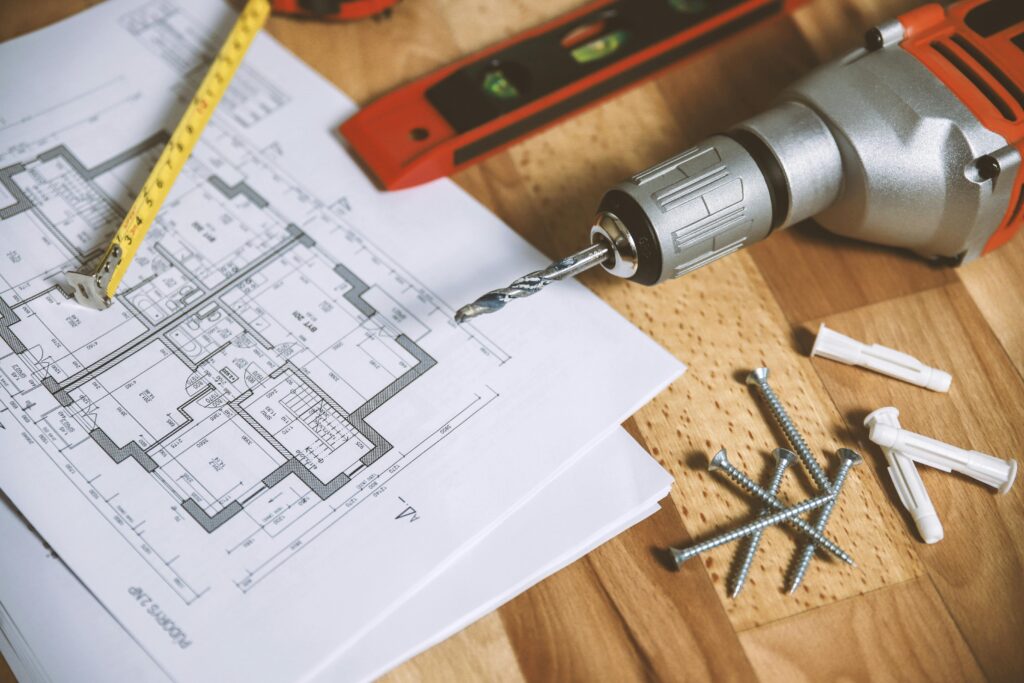
Photo by JESHOOTS.com
Good Design Is About Daily Life, Not Just Drawings
The most successful projects are developed with a focus on your daily routine, not just square footage. Where do the morning traffic jams occur? Do you need a shower area upstairs? How will natural light get to your new space? where storage can be built into the eaves. The location of the stairways is important; this influences both the functionality of your space and its privacy. Approval from building authorities is needed for a home extension or loft conversion that will be used as residential space. In addition to structural components, the approved design documents must also cover the stairs, fire safety and energy efficiency.
Comfort Matters as Much as Capacity
Comfort is just as important as extra space when it comes to creating a successful loft conversion. The new space will feel comfortable to use year-round if the design takes into account insulation, ventilation, and the performance of the space during both summer and winter. Current building regulations include minimum levels of energy efficiency. As such, loft conversions present a fantastic opportunity to enhance thermal performance; this could contribute to creating a space that is enjoyable to use and enhances the overall feel of the property.
Think Long Term, Not Just Right Now
Most families express regrets related to rapid relocation decisions. Rushed decisions provide relief from immediate pressures without considering long-term needs. Families should look toward the future by asking what they will need from their home in the next 5-10 years. Will the new space eventually serve as a study, guest suite, or multi-generational living space? The value of being in an established community cannot be measured by a floor plan. Neighbourhood familiarity, support systems, and routines provide benefits beyond the walls of your home.
More Room, Same Community
Not every addition requires selling your home. Creating additional space and remaining in an area that you love is a thoughtful alternative. Instead of starting from scratch with a new home, a well-planned loft conversion allows homeowners to create additional space, maintain existing outdoor spaces, and create a home that adapts to their changing needs








Leave a Reply