The hussle and bustle of school routines, clubs, screens, travel, conversations, and the constant energy of being around other people can leave children feeling exhausted and overwhelmed by the end of the day. Often, a calm activity rather than something else high-energy is needed to calm everyone down, ready for the evening.
Helping children focus does not always mean sitting them down for formal, structured learning. It can be a simple activity that shifts attention to something relaxing. Reading, drawing, sorting, building, and puzzles can all help create that quieter rhythm.
Start With a Predictable Transition
Children often settle more easily when the transition is predictable and pleasant. A snack, a bit of chat, a change of clothes and a mini walk can help mark the change from busy time to home time.
Once the body has slowed a little, a focused activity is easier to enjoy. The aim is not to force concentration but to create conditions in which it can happen naturally.
Choose Activities With Clear Steps
Open-ended play is fantastic, but after a tiring day,, some children respond better to more structured activities. Puzzles are useful because the task is obvious: look, compare, match, and build. There is progress without pressure.
Nature scenes can be especially calming. Trees, mountains, rivers, flowers, and other natural scenes provide children with engaging detail without the intensity of fast-paced games or loud videos and music. For digital play, relaxing online puzzles can provide a quiet option when families want screen time to feel more purposeful.
Use Short Sessions
Focus grows with practice, but you don’t need to start with long, forced sessions. Ten minutes of careful attention can be more than enough, especially for younger children. If the child wants to continue, they can. If not, hopefully the activity has helped calm the brain.
Short sessions also make activities easier to fit into real family life. A puzzle before dinner, a few pages of a book, or a drawing after homework can work better than a large planned project.
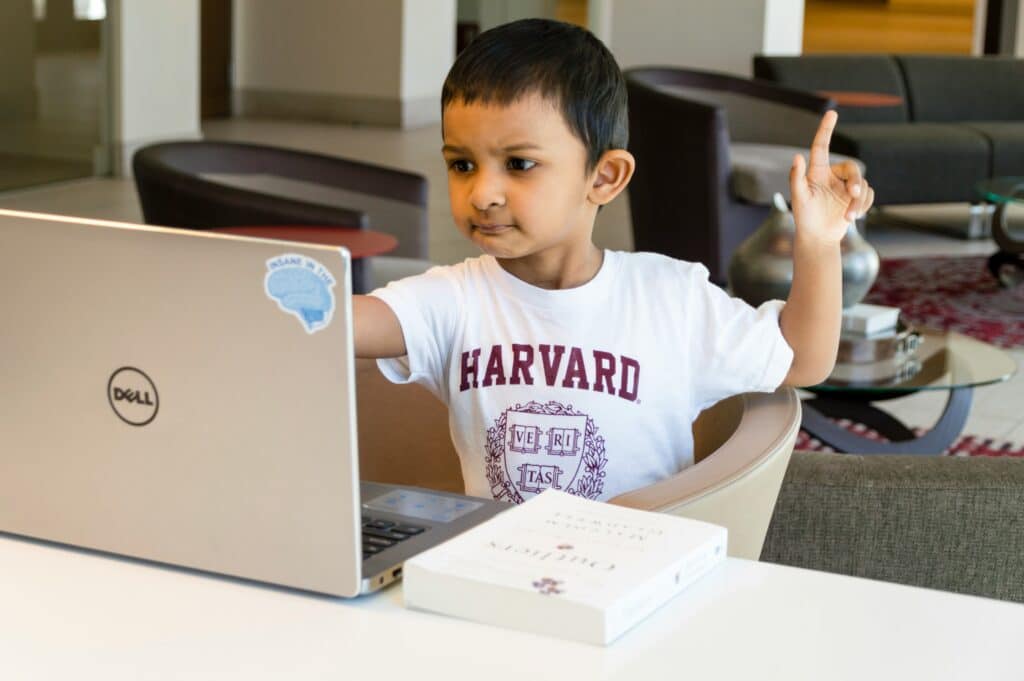
Photo by Rohit Farmer on Unsplash
Work Alongside, Not Over the Top
When adults join in the activity, it reinforces that the time is meant to be fun and makes the task a joint effort, especially if the child still takes the lead. Ask questions, point out colors or shapes. Celebrate finished parts of the puzzle, but avoid turning the activity into a test or competition.
This helps keep the mood relaxed and calm. A quiet game or puzzle should feel like shared time, not another lesson to pass.
Balance Screens With Intention
Many families use screens, but striking a balance can be hard. A screen activity can be more useful when it has a beginning, middle, and end. Puzzles, reading apps, drawing tools, and educational games tend to work better for this than endless autoplay content.
Parents can also sit close by and talk about the puzzle, or set a simple boundary: one puzzle, then dinner; ten minutes, then bath time. Clear limits and times make the activity easier to enjoy for everyone, setting expectations from the beginning.
Calm Activities Build Habits
Children learn from routine and patterns. When they regularly experience quiet focus as something fun and enjoyable, they become more comfortable returning to it and maybe even ask to do it! That can help with homework, reading, hobbies, and emotional regulation.
The activity itself does not need to be fancy or expensive. A calm puzzle, a pencil and paper based game, a book, or a small building set can be more than enough. What matters is the pause: a gentle break in the day and time when attention can settle for both kids and parents, leading to a happier, more relaxed evening and a better bedtime routine.









Leave a Reply