Image Credit: Unsplash
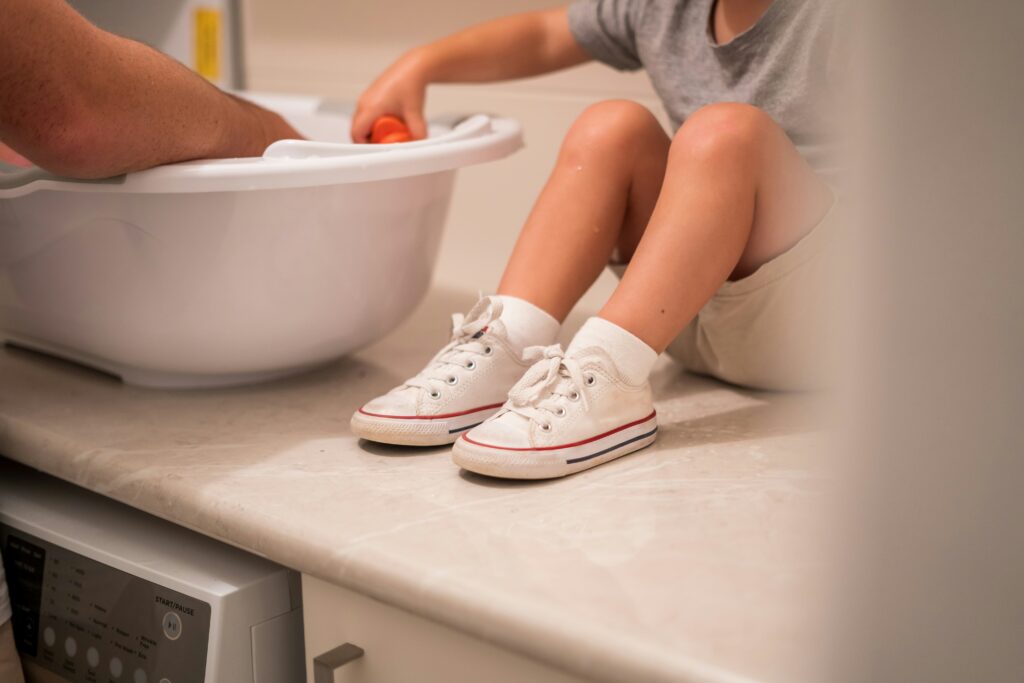
A toddler can turn a quiet bathroom into a plumbing crisis with one curious flush. Toys, wipes and whole rolls of toilet paper may disappear from view, but they rarely travel far through the pipes. If the bowl starts filling, quick action can prevent dirty water from reaching the floor. Once the immediate panic is over, a few simple changes can make repeat performances much less likely.
The Curiosity Stage and Modern Toilets
Toddlers learn through cause and effect, and a toilet offers an irresistible combination of water, movement and noise. Pressing the handle produces an instant result, while the contents seem to vanish as if by magic. Advice on preventing unflushable objects often starts with supervision because young children don’t yet understand where the pipe leads.
Modern toilets can also give parents a false sense of security. A small item may leave the bowl successfully, only to lodge farther along the waste pipe. The next flush then meets a partial blockage and sends the water level upward.
Common Culprits Behind Toddler Clogs
Too much toilet paper causes many family bathroom blockages, especially when a toddler enthusiastically adds handful after handful. So-called flushable wipes can also collect inside pipes, while paper towels, tissues and cotton products don’t break down like toilet paper.
Small bath toys are another common culprit. A plastic figure, building block or bottle cap may fit through the opening but become trapped in the toilet’s curved internal passage. If an item has disappeared and the toilet suddenly drains slowly, stop using it. Repeated flushing can push the object deeper, turning a straightforward retrieval into a more difficult pipe blockage.
Quick First Steps to Stop Overflow
Take your child’s hand and move them away from the bathroom before dealing with the toilet. Don’t flush again. Turn the water supply valve behind or beside the toilet clockwise until it closes. If water is still entering the bowl, lift the tank lid and push the rubber flapper closed, keeping fingers clear of moving parts.
Place old towels around the base and remove nearby bath mats. When the water won’t stop, wastewater is escaping or you suspect the blockage is beyond the toilet, contact an emergency plumber. Families in Kirkcaldy and Fife can seek 24-hour help for urgent blockages, leaks and related plumbing problems.
When DIY Plunging Makes Things Worse
A toilet plunger may clear a soft blockage caused by excess paper. Make sure there is enough water to cover the plunger’s rubber cup, create a seal over the outlet and use several controlled pushes. Avoid aggressive force, which can splash contaminated water or damage the seal beneath the toilet.
Plunging is a poor choice when a solid object is missing. The pressure may wedge a toy more firmly into the toilet trap or move it beyond easy reach. Guidance on children’s toilet problems also warns against chemical drain cleaners. These products may remain in the bowl and create a burn risk for anyone who later removes the toilet or works on the blockage.
Gentle Habits That Prevent Future Drama
Keep the toilet lid closed and use a childproof lid lock if your toddler regularly explores the bathroom. Store toys, wipes, cotton products and spare toilet rolls in a closed cabinet or on a high shelf. A small lidded bin also gives older toddlers a clear place for items that don’t belong in the toilet. Establishing simple bathroom routines can also help toddlers understand everyday expectations and develop good habits as they grow. Building daily routines that actually work for toddlers offers practical ways to make these routines part of family life.
Simple language works well at this age. Try, “Only toilet paper goes in here,” then repeat the rule calmly during bathroom visits. Supervise flushing until the novelty fades and praise your child for following the routine. If a favorite toy does vanish, resist one hopeful test flush. Close the valve, leave the toilet unused and explain that a grown-up needs to fix it.
That missing plastic dinosaur may become a family story one day. For now, a closed lid and a firm no-second-flush rule can keep the ending pleasantly uneventful.








Leave a Reply