Any mum with a busy household knows the familiar soundtrack of the morning: tracking down lost shoes, packing lunches, and dealing with the chorus of “Mum, where’s my PE kit?”. We accept the chaos as part of family life. But for a growing number of parents, weekday mornings are no longer just a hectic scramble; they have become a source of profound daily distress.
When a child experiences severe anxiety about attending school, the focus naturally falls on them. Yet Emotionally Based School Avoidance (EBSA) does not happen in isolation. It reshapes the routines, finances, and mental health of the whole family.
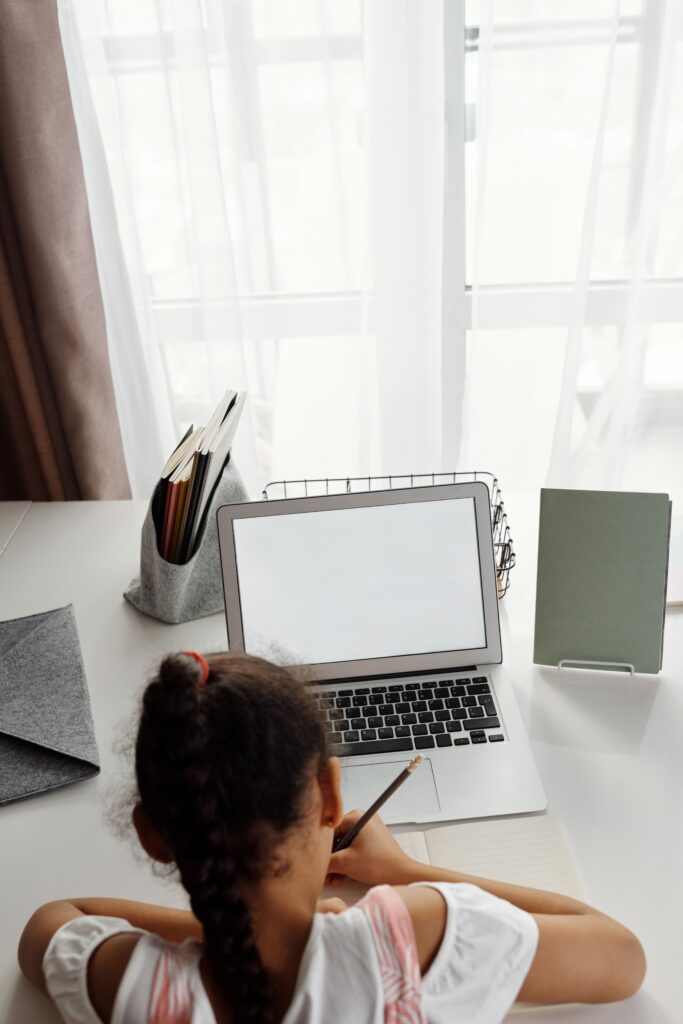
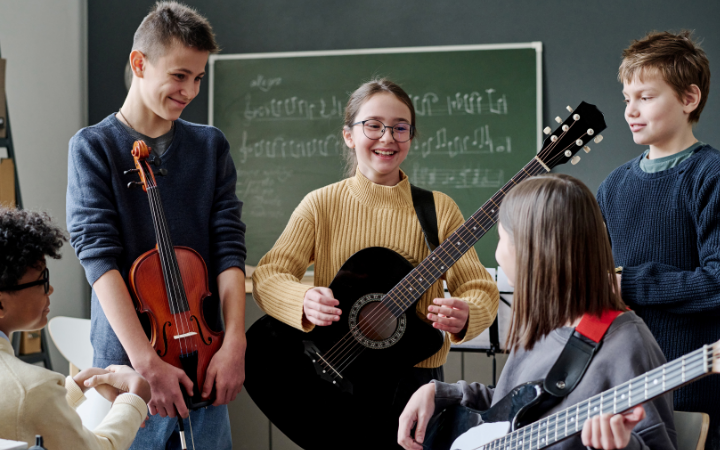
Photo by August de Richelieu from Pexels
The Emotional Toll Behind Closed Doors
When school anxiety takes hold, reluctance quickly turns into panic attacks and tears. New research commissioned by Minerva Virtual Academy highlights just how heavy this burden is for parents:
- 28% of parents affected by school refusal said weekday mornings had become the most distressing part of family life.
- More than one in five had cried after an unsuccessful attempt to get their child into school.
- Almost a quarter said the experience made them feel as though they were failing as a parent.
- 21% of mothers reported that their mental health had deteriorated severely, with almost a quarter of parents suffering physical stress symptoms like migraines and nausea.
The Waiting Game and Financial Strain
School refusal is rarely bad behaviour. Parents surveyed cited anxiety, autism, ADHD, bullying, and unmet additional needs as root causes. Yet timely support remains out of reach for many: 15% of parents were waiting for a formal diagnosis, and a further 14% had been waiting for more than two years.
During this limbo, parents must manage the fallout. Because an overwhelmed child cannot simply be left at the school gates, parents often have to put their careers on hold. Across all families surveyed, 42% estimated their household had lost up to £10,000 as a result of attendance issues. The impact on fathers is significant, with over a third reducing their working hours and nearly one in three leaving work altogether.
Choosing a Gentler Educational Path
Admitting that a mainstream school environment is not working for your child is not a defeat; it is an act of advocacy. Sadly, almost 90% of families surveyed said they had received no clear guidance on alternative education routes.
While DIY homeschooling is wonderful for some, taking on full-time teaching when you are already running on empty is not always feasible. Online schooling bridges that gap effectively.
At Minerva Virtual Academy, an online secondary school combines home learning with live lessons, independent study, and weekly individual mentoring. By removing the sensory overload and social pressures of a crowded classroom, pupils can learn at their own pace in a calm environment. Most importantly, it takes the pressure off parents to act as teachers, bringing much-needed relief and happiness back to the family routine.
About the author
Hugh Viney is the founder of Minerva Virtual Academy, a Department for Education-accredited online school for pupils aged 11 to 18. The school combines online lessons and self-paced study with weekly one-to-one mentoring and wellbeing support.





Leave a Reply