
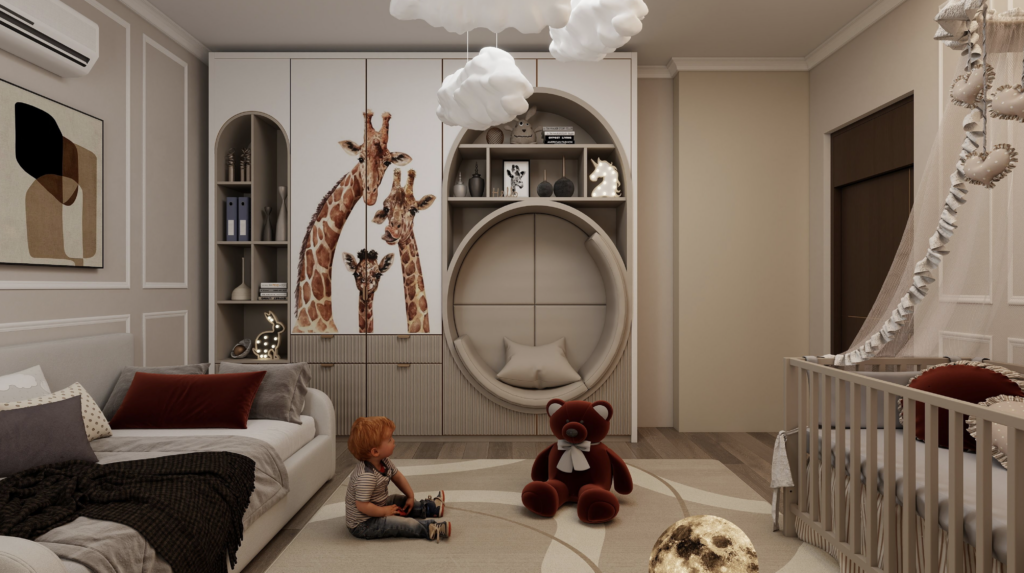
Image Credit: Pexels
A child’s bedroom can feel fresh and grown-up without a complete refit. Focus your budget on the surfaces and details that people notice first, then reuse anything that remains sturdy and practical. This approach also makes sense when children’s tastes change quickly. A few considered updates can carry the room through several stages, from early play to homework and hobbies.
Assess What Can Be Reused
Empty the room as much as possible, then inspect each item before buying anything new. A solid chest of drawers may only need cleaning, a coat of suitable furniture paint and fresh handles. Shelves can move to a lower height for younger children or sit above a desk as they grow.
Measure the room and existing furniture, including the space needed to open drawers and doors. This helps you test different layouts on paper first. These budget bedroom upgrades include simple ideas such as rearranging furniture and refreshing existing pieces. Check that reused items are stable, secure tall furniture appropriately and remove anything with sharp damage or loose fittings.
Update Built-In Storage Fronts
Built-in storage often occupies a large part of the room, so tired fronts can make the whole space look dated. If the internal frames and shelves remain sound, changing the visible surfaces may deliver a bigger improvement than replacing the complete unit.
Measure every existing door individually, recording the height and width in millimetres, along with the hinge positions. You can then explore replacement wardrobe doors in styles such as Shaker or slab, with different colours and finishes to suit the room. Made-to-measure fronts allow you to refresh the wardrobe while keeping the existing cabinet structure. Choose a neutral finish that can work with changing bedroom themes, and check that the new doors will open comfortably around nearby beds and furniture.
Introduce Adaptable Colour Schemes
Choose a calm base colour for the walls and bring in brighter shades through items that are easy to replace. Bedding, prints, storage baskets and a small rug can reflect a current favourite colour without committing the entire room to it. If tastes change next year, you’ll only need to switch a few accessories.
A washable paint finish is useful in busy family rooms because marks can be wiped away. Keep leftover paint in a labelled container for quick touch-ups. Among these easy decor ideas, removable wall stickers offer another flexible option. Test paint samples at different times of day since natural and artificial light can alter how a shade appears.
Swap Out Worn Furniture Hardware
Small fittings have an outsized effect on how finished a room feels. Replace cracked knobs, stiff drawer pulls and damaged hinges once you’ve confirmed their measurements. Matching the distance between existing screw holes can save you from filling and drilling the furniture again.
Keep the hardware consistent across wardrobes, drawers and bedside storage to tie mixed furniture together. Simple rounded handles are easy to grip and less likely to catch on clothing than highly decorative designs. Tighten every fitting after installation, then check it again after a week of use. If you’re repainting furniture, remove the hardware first and let the finish cure fully before reattaching it. This prevents handles from sticking to soft paint or leaving visible marks.
Create Zoned Play and Study Areas
Give different activities a clear home, even in a small bedroom. A washable rug can define the play area, while a compact desk or wall-mounted surface creates a dedicated place for drawing and homework. Place everyday toys in low, labelled boxes so children can reach them and put them away independently.
Keeping the bedroom organised also means making everyday storage easy for children to use. These ideas for keeping a child’s bed area tidy cover practical ways to organise clothes, books and belongings while keeping the space comfortable and accessible.
Use the room’s vertical space when the floor area is limited. Shelves above a desk can hold books and craft materials, though frequently used items should remain within comfortable reach. Position the study area near daylight where possible and add a focused desk lamp for darker afternoons. Keep cables tidy and make sure storage doesn’t block sockets, windows or the route to the door.
Once the practical work is complete, let your child choose one finishing detail, such as a print, cushion cover or storage basket. That small decision gives them ownership of the updated room while the adaptable furniture and neutral base continue working as they grow.










Leave a Reply