
Your garden is more than just a patch of greenery – it’s a canvas waiting to be transformed into a vibrant and functional outdoor oasis. By utilizing smart design principles, strategic plant selection, and sustainable gardening practices, you can make the most of your garden space and create a welcoming environment that enhances your lifestyle and connects you with nature.
Planning for Success: Setting Goals and Priorities
Before diving into garden projects, take the time to define your goals and priorities. Consider factors such as:
- Purpose: What do you want your garden to be? A serene retreat for relaxation, a productive vegetable patch, a haven for wildlife, or a space for entertaining and socializing?
- Needs: What are your practical needs? Do you require space for children to play, areas for outdoor dining and seating, or storage solutions for garden tools and equipment?
- Preferences: What styles, themes, and plant palettes resonate with you? Are you drawn to formal or informal designs, cottage gardens, minimalist landscapes, or exotic plantings?
By clarifying your objectives upfront, you can tailor your garden design and activities to meet your specific needs and preferences, ensuring a successful and fulfilling outdoor space.
Designing for Functionality and Beauty
A well-designed garden balances functionality with aesthetics, creating a harmonious and enjoyable outdoor environment. Consider the following design principles:
- Layout: Optimize the use of space by creating distinct zones for different activities, such as dining areas, lounging spots, and garden beds. Use pathways, garden rooms, and focal points to create visual interest and guide movement through the garden.
- Plant Selection: Choose plants that thrive in your climate and soil conditions, and consider factors such as sun exposure, water requirements, and maintenance needs. Incorporate a diverse mix of trees, shrubs, perennials, and annuals to provide year-round interest and support biodiversity.
- Seasonal Interest: Plan for year-round enjoyment by selecting plants that offer seasonal interest, including spring blooms, summer foliage, fall colours, and winter structure. Incorporate evergreen plants, ornamental grasses, and winter-blooming flower seeds to maintain visual appeal during the colder months.
- Sustainability: Embrace eco-friendly gardening practices such as water conservation, soil health management, composting, and native plantings. Minimize chemical inputs and encourage natural pest control and pollination by attracting beneficial insects and birds to your garden.
Making the Most of Your Garden Space
Once your garden is established, make the most of your outdoor oasis by:
- Regular Maintenance: Stay on top of garden tasks such as watering, weeding, pruning, and mulching to keep your garden looking its best year-round.
- Seasonal Activities: Enjoy seasonal gardening activities such as planting, harvesting, and seasonal clean-up, and take advantage of opportunities to observe the changing beauty of your garden throughout the year.
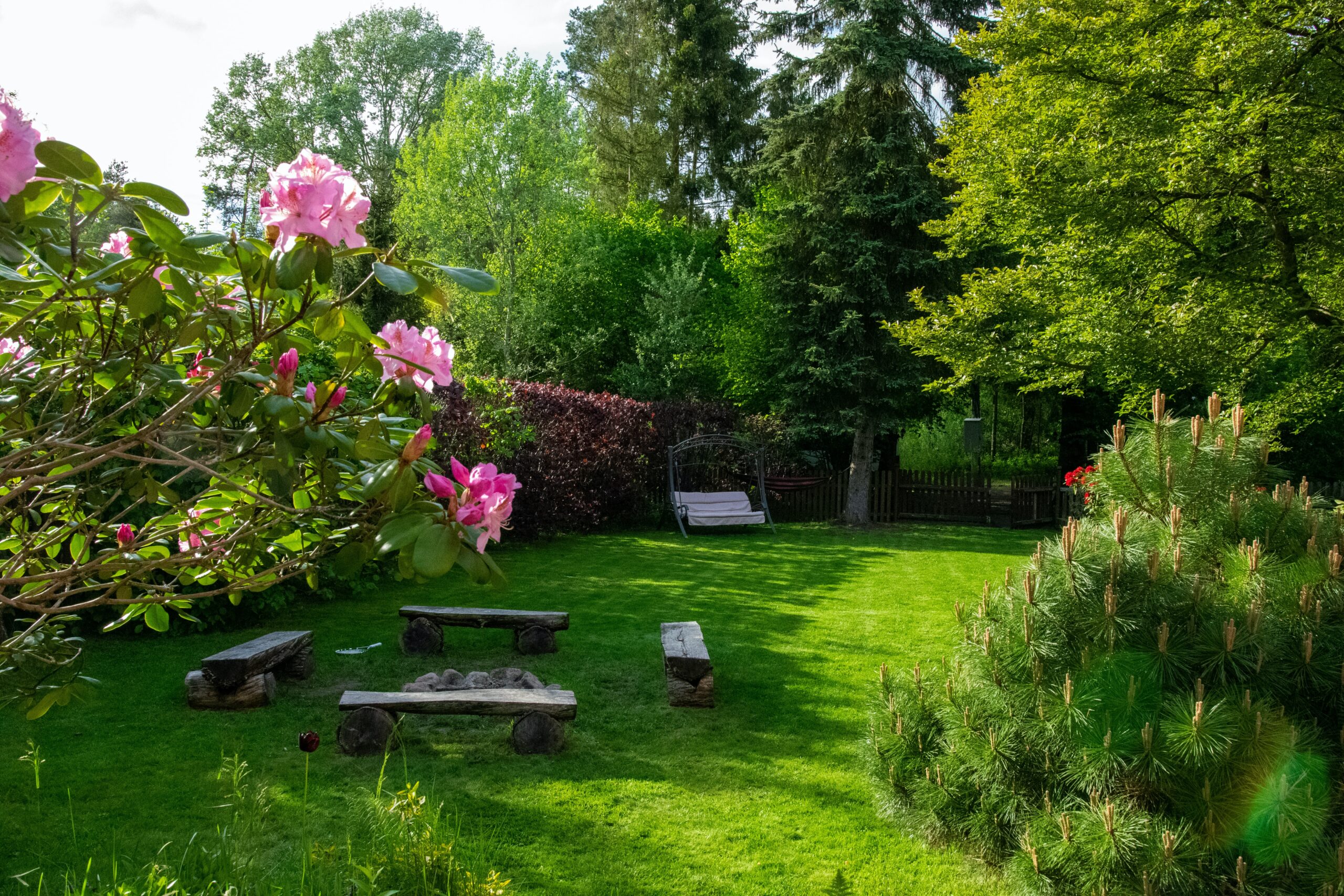
- Outdoor Living: Extend your living space outdoors by incorporating amenities such as outdoor furniture, lighting, fire pits, and cooking areas. Create inviting spaces for relaxation, entertainment, and outdoor dining to maximize your enjoyment of the garden.
- Connecting with Nature: Take time to connect with nature by observing wildlife, birdwatching, stargazing, or simply sitting quietly and appreciating the beauty and tranquillity of your garden environment.
Conclusion: Cultivating a Thriving Outdoor Lifestyle
By taking a thoughtful and holistic approach to garden design and management, you can create a thriving outdoor oasis that enhances your quality of life and brings you closer to nature. Whether you’re seeking beauty, functionality, sustainability, or simply a place to relax and unwind, your garden has the potential to fulfil your desires and enrich your daily experience of the great outdoors.









Leave a Reply